
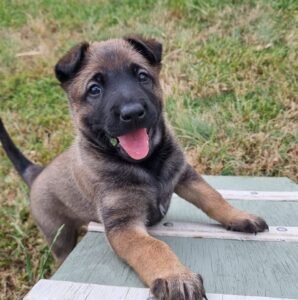
The Risks of Waiting Too Long: Why Early Socialisation Matters
We often see people bringing us
Thinking of buying an older puppy or waiting until the final vaccinations before socialising? Professional dog trainer Sidney Aarons reveals the risks of missing the critical 3–16 week socialisation window and why early, proper exposure matters for your puppy’s future behaviour.
— typically 14 weeks and above — for training. When we ask why they waited to start classes, two answers come up again and again:
The problem is that almost every older puppy we see has missed critical early socialisation. Despite the huge amount of information available today, many people are still confused about when a puppy’s socialisation window closes and what proper socialisation actually means.
A puppy’s most important developmental window is between 3 and 16 weeks of age. During this short time, your puppy learns more than it will for the rest of its life. The experiences it has (or doesn’t have) during this period play a massive role in shaping the adult dog it will become.
That’s why, when I buy a puppy from a breeder, I always aim to bring them home at 7 weeks. Research shows that staying with the litter much longer than this is not ideal. On the other hand, removing a puppy earlier than 7 weeks can also cause developmental and behavioural issues.
Socialisation is the gradual, positive exposure to all the people, animals, sounds, environments, and experiences your dog will meet as an adult.
Once I have my puppy home, I immediately start taking them out to different places — Bunnings, the post office, cafés, parks — and gently introduce them to new sounds like power tools, traffic, and machinery. I also focus heavily on teaching basic behaviours, clear communication, and building a strong desire to play with toys and engage in games.
Puppies who miss this critical window often develop problems later, including:
Important note: While lack of socialisation doesn’t directly cause health problems or a shorter lifespan, it often leads to a more stressful life with less exercise, mental stimulation, and freedom — which can affect long-term wellbeing.
Sidney’s puppy class runs every Saturday morning in Flynn, ACT. Puppy school and obedience classes – Sidney Aarons
Check out Sidney’s YouTube channel (5015) Sidney Aarons Professional Dog Trainer – YouTube
.